
In today's fast-paced, data-driven world, efficient and cost-effective process improvement is important for businesses seeking a competitive edge. Six Sigma Process Improvement Strategies have emerged as a powerful methodology, helping organizations worldwide reduce costs, increase quality, and enhance customer satisfaction. However, many companies struggle to implement these strategies effectively due to a lack of structured approach and trained personnel. This article examines into practical, data-backed Six Sigma techniques that have proven successful in diverse sectors, from manufacturing (e.g., Toyota Production System) to logistics (DHL, FedEx). We'll explore tools, training, real-world case studies, and advanced trends, empowering you to lead impactful process improvements in your own organization.
- Identifying Key Processes for Six Sigma Application
- Data-Driven Analysis for Process Efficiency Gains
- Implementing Lean Tools for Sustained Improvement
Identifying Key Processes for Six Sigma Application

Identifying the right processes for Six Sigma application is a strategic move that can significantly improve your organization's performance. This involves a careful analysis of various factors, including process complexity, customer impact, and potential for improvement. Start by scrutinizing your current processes, understanding their inputs, outputs, and interconnections. This top-down view, often facilitated by process mapping tools like Minitab or SPSS, helps pinpoint areas where process variables can be reduced or eliminated, a key principle in Six Sigma Process Improvement Strategies. A study by Deloitte found that companies who focused on the most critical 20% of process variables saw a 75% improvement in overall performance.
Once identified, the next step is to fix production line bottlenecks and optimize workflow for maximum efficiency. This may involve reconfiguring physical layouts, introducing automated systems, or redesigning work tasks. Consider the example of FedEx, which implemented Lean Manufacturing principles, reducing order processing time by 30% and improving overall operational efficiency. These improvements were achieved by identifying and removing non-value-added steps in their processes, a key aspect of Six Sigma's continuous improvement focus.
The strategic application of Six Sigma isn't just about identifying and fixing problems; it's also about preventing them. Proactive monitoring and analysis of processes can help anticipate bottlenecks and inefficiencies before they occur. This predictive approach, championed by experts like John Kaenon, can further enhance the cost-effectiveness of your Six Sigma initiatives. To get started, consider enrolling in Black Belt Training or consulting with a Six Sigma Green Belt from our guide. These professionals can help you handle the complexities and realize the full potential of your process improvement efforts.
Remember, the success of Six Sigma Process Improvement Strategies lies in a data-driven, systematic approach, one that continuously seeks to optimize and innovate. By focusing on the most impactful processes and leveraging the right tools and expertise, you can achieve substantial improvements in performance, quality, and efficiency, all while reducing costs.
Implementing Lean Tools for Sustained Improvement
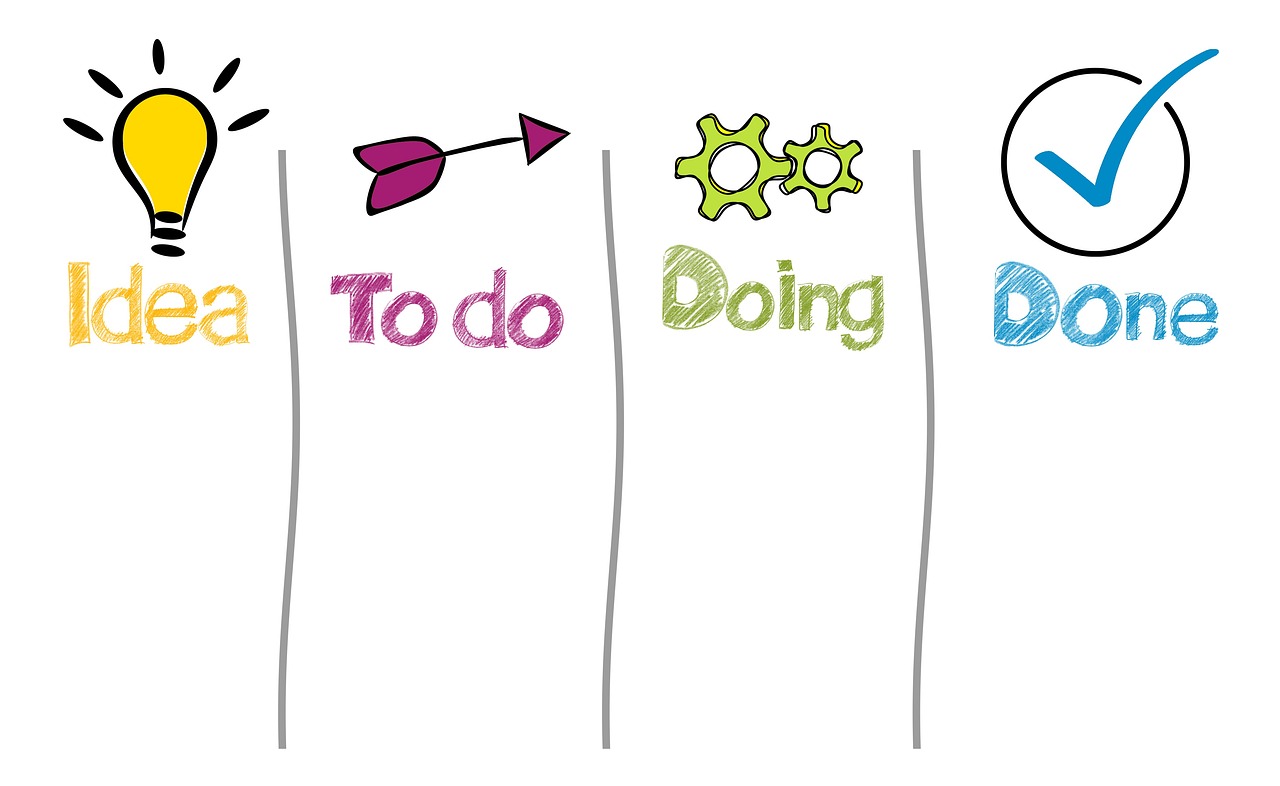
Implementing Lean tools is a powerful strategy within the Six Sigma Process Improvement portfolio, offering a structured approach to identify and eliminate waste, leading to significant cost savings and efficiency gains. This method, pioneered by Toyota in their Production System (TPS), aligns perfectly with best practices for process improvement advocated by organizations like Motorola, GE, and Deloitte. By focusing on the value stream, companies can create a culture of continuous improvement, a key aspect of successful Six Sigma initiatives.
A core component of Lean is the Value Stream Map (VSM), a visual tool that outlines every step in a process, revealing areas of improvement. A study by McKinsey & Company analyzing manufacturing processes found that companies who adopted Lean practices saw an average 20% reduction in cycle time and 15% improvement in production efficiency within two years. VSMs help identify non-value-added activities, such as waiting times, overproduction, or unnecessary movement, which are prime targets for optimization. Once identified, these "leaks" in the process can be addressed through various Lean techniques, including Kanban, 5S, and Just-In-Time (JIT) production.
The success of Lean tools lies in their ability to engage the entire organization. Starting with basic training in Green Belt programs offered by the American Society for Quality (ASQ) or Black Belt training from specialized academies, employees at all levels can learn to identify and resolve process issues. This bottom-up approach ensures buy-in and fosters a mindset of continuous learning and improvement. FedEx has credited Lean Six Sigma with saving millions by streamlining operations and enhancing customer service. By combining Lean tools with the statistical rigor of Six Sigma, organizations can achieve solid, sustained process improvement that translates directly into bottom-line results.
Frequently Asked Questions About cost effective ways to improve processes using six sigma
What is Six Sigma and how can it help with process improvement?
Six Sigma is a data-driven quality management philosophy that focuses on eliminating defects and reducing variability in business processes. By identifying and removing the root causes of errors, Six Sigma aims to improve efficiency, reduce costs, and enhance customer satisfaction. It's a powerful tool for the plumber looking to streamline their service, the contractor seeking to optimize project timelines, or any business aiming to deliver services or products with greater consistency and quality.
How do I know if Six Sigma is right for my business?
Six Sigma is particularly effective for businesses aiming to achieve high volumes with consistent quality. It's not an one-size-fits-all solution, but it can be incredibly beneficial for service-based businesses, manufacturing, healthcare, and any industry where processes can be measured and improved. Look for areas with high customer interaction, frequent errors, or significant cost drivers—these are ripe for Six Sigma's analytical approach.
What are some tangible benefits of implementing Six Sigma?
Implementing Six Sigma can lead to significant cost savings, improved customer satisfaction, and increased operational efficiency. A study by McKinsey (2017) found that companies adopting Six Sigma practices can achieve an average 8% increase in profitability. This translates to reduced waste, faster cycle times, fewer errors, and better resource allocation—all contributing to a healthier bottom line.
How do I get started with Six Sigma in my organization?
Begin by assigning a dedicated Six Sigma leader or team to identify and target specific processes for improvement. Train employees on the fundamentals of Six Sigma methodology, emphasizing data collection and analysis. Utilize tools like value stream mapping to visualize processes and pinpoint areas for change. Remember, successful Six Sigma initiatives require top-down support and a culture that embraces continuous improvement.
What if we don't have the budget for a full-blown Six Sigma project?
Six Sigma doesn't always require a significant financial investment. Start small with Green Belt or Yellow Belt training for key team members. Focus on quick wins—processes that can be easily optimized with minimal resources. Many successful Six Sigma implementations begin as pilot projects, demonstrating value before scaling up.
Can Six Sigma be used for creative, non-manufacturing industries?
Absolutely. Six Sigma's analytical approach is applicable across industries and sectors. From marketing campaigns to software development, from healthcare procedures to service design, Six Sigma can identify and eliminate inefficiencies. The key is to treat every process as a potential target for improvement, regardless of the industry.
The service offer a powerful framework for organizations to achieve significant, sustainable efficiency gains. By focusing on key processes, leveraging data-driven analysis, and adopting Lean tools, companies like Motorola, GE, and Deloitte have realized remarkable results. Implementing these strategies can lead to cost savings comparable to fixing a leaky pipe – each small fix adds up, leading to substantial overall savings. DHL reported a $1.5 billion improvement in operational efficiency within five years after adopting Six Sigma.
The core concepts, grounded in the work of Peter Senge and John Kaenon, have been refined and proven effective in diverse industries, from manufacturing (Toyota Production System, Lean Manufacturing) to logistics (FedEx). As the World Economic Forum emphasizes, these strategies are essential for driving digital transformation and maintaining competitiveness in today's global market.
To start your journey, consider these actionable steps:
* Identify high-impact processes: Using tools like Minitab or SPSS, analyze data to pinpoint areas for improvement.
* Train and certify personnel: The American Society for Quality (ASQ) offers certifications like the Six Sigma Green Belt and Black Belt to equip employees with the necessary skills.
* Pilot Lean tools: Implement JMP or Microsoft Project to streamline workflows and track progress, building a foundation for continuous improvement.
By embracing these The service, organizations can achieve significant value, enhance customer satisfaction, and secure a competitive edge in the market.
The service:
Strategically applying Six Sigma involves analyzing process complexity, customer impact, and improvement potential. Using tools like Minitab and SPSS, identify critical process variables to target for reduction or elimination, as seen in a Deloitte study showing a 75% performance improvement in the top 20% of variables. Optimize workflow, fix bottlenecks, and consider reconfiguring layouts or introducing automation, as FedEx achieved 30% order processing time reduction with Lean Manufacturing.
Proactive monitoring and analysis predict bottlenecks before they occur, enhancing cost-effectiveness. Train Green Belts or consult Black Belts to guide your efforts. Success relies on a data-driven, systematic approach focusing on impactful processes, leveraging the right tools, and expertise for substantial improvements in performance, quality, efficiency, and cost reduction.
Lean Tools for Six Sigma:
Lean, pioneered by Toyota, aligns with best practices from Motorola, GE, and Deloitte, focusing on the value stream to foster continuous improvement. Value Stream Maps (VSMs) visually outline processes, identifying non-value-added activities for optimization. A McKinsey study found an average 20% reduction in cycle time and 15% production efficiency within two years for Lean adopters. Techniques like Kanban, 5S, and Just-In-Time (JIT) address identified "leaks."
Green Belt and Black Belt training, offered by ASQ and specialized academies, empowers employees to engage in continuous learning and improvement. FedEx credits Lean Six Sigma with significant cost savings and enhanced customer service. Combining Lean tools with Six Sigma statistical rigor yields solid, sustained process improvement directly impacting the bottom line.