
In today's competitive field, organizations worldwide are turning to Six Sigma Process Improvement Strategies to drive efficiency and reduce waste. Waste, in manufacturing and service industries alike, manifests as defects, overproduction, inventory excess, and inefficiencies—all eroding profitability and customer satisfaction. The good news is, Six Sigma offers a proven methodology to address these issues. Drawing on the success of pioneering companies like Motorola and GE, this article explores powerful tools and techniques to identify and eliminate the root causes of waste. We'll examine case studies from industry giants like FedEx and DHL, examining real-world applications of Six Sigma principles. By the end, you'll grasp the strategic value of these strategies and be equipped to implement them effectively in your organization.
- Identify Waste: Root Cause Analysis in Six Sigma
- Implement Data-Driven Solutions: Six Sigma Process Improvement
- Measure and Monitor Success: Six Sigma's DMAIC Framework
Identify Waste: Root Cause Analysis in Six Sigma
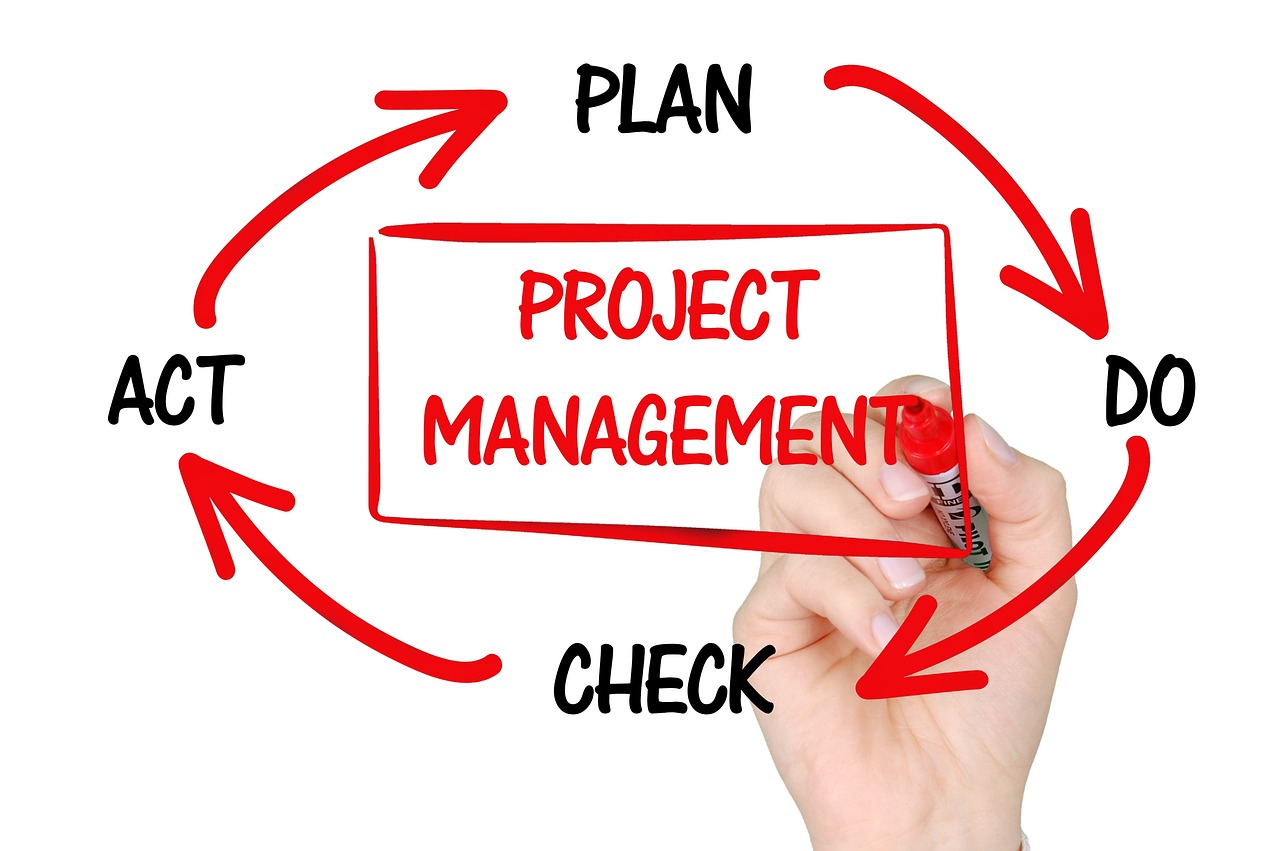
Identifying waste is a critical step in Six Sigma Process Improvement Strategies, serving as the foundation for effective optimization. Root Cause Analysis (RCA) is a powerful tool within Six Sigma that helps organizations examine the core issues plaguing their processes. This data-driven approach involves systematically examining the factors contributing to defects or inefficiencies, ensuring that solutions target the root causes rather than merely treating symptoms. Consider a manufacturing company experiencing high inventory levels and frequent stockouts. Through RCA, they might uncover inefficiencies in their ordering process, poor communication between departments, or excess lead times, each identified as a root cause.
In optimizing supply chain processes, RCA is invaluable. It allows organizations to streamline operations, reduce costs, and enhance overall efficiency. A logistics firm employing Six Sigma found that late deliveries were a significant issue. By analyzing the root causes, they identified driver inefficiency, outdated tracking systems, and poor communication with carriers. Implementing process changes, such as real-time tracking and optimized routing, led to a 25% reduction in late deliveries within six months. This demonstrates the tangible impact of RCA in improving critical business functions.
Six Sigma training for teams is key to effective RCA implementation. Green Belts and Black Belts equipped with the right tools and techniques can lead significant improvements. Software like Minitab, SPSS, and JMP facilitates data analysis and visualization, enabling teams to uncover trends and patterns in process data. A healthcare organization using Minitab for RCA identified unnecessary tests in patient admission processes, leading to reduced wait times and improved patient satisfaction. Local universities and the American Society for Quality (ASQ) offer specialized Six Sigma Academy programs, fostering a culture of continuous improvement and process optimization strategies.
Beyond immediate cost savings, RCA contributes to long-term strategic planning. Organizations like DHL and FedEx have successfully integrated Six Sigma into their core operations, achieving substantial efficiency gains. These global logistics giants have used Six Sigma to optimize routes, reduce fuel consumption, and minimize delivery errors, setting industry standards for process excellence. As Peter Senge, a renowned expert, notes, "The ability to learn and adapt is a competitive advantage in today's rapidly changing business environment." By embracing Six Sigma Process Improvement Strategies, companies can stay ahead, ensuring their processes are not just efficient but also adaptable and resilient.
Implement Data-Driven Solutions: Six Sigma Process Improvement

Implementing data-driven solutions is a cornerstone of The strategies, focusing on identifying and eliminating waste through rigorous statistical analysis. This approach, pioneered by companies like Motorola and GE, uses tools like Minitab and SPSS to uncover insights hidden within operational data. A study by Deloitte found that companies adopting Six Sigma methods saw a 25% reduction in operational costs within two years, underscoring the significant potential for waste elimination.
The first step in any Six Sigma project management roadmap is to define the problem and establish key performance indicators (KPIs). This involves creating detailed value stream maps that accurately portray the current state of processes. A logistics company might map its order fulfillment process, identifying delays caused by inefficient inventory management. Once mapped, the team can use statistical methods to quantify waste, such as time, resources, or product defects. This data-centric approach ensures that decisions are based on facts rather than intuition.
Design for Six Sigma excellence requires a shift from reactive to proactive process management. This involves not only identifying problems but also predicting and preventing potential issues. John Kaenon, a leading authority in the field, emphasizes the importance of continuous improvement, suggesting that organizations should aim to reduce variability in processes to enhance quality and efficiency. A manufacturing plant might implement a Six Sigma project to optimize its production line, leading to a 15% increase in throughput and a significant reduction in scrap material. By fostering a culture of data-driven decision-making, organizations can achieve exceptional performance and maintain a competitive edge.
Consider visiting us at measure process performance metrics anytime to access resources and tools that support the successful implementation of these strategies. Remember, the key to Six Sigma Process Improvement is not just about identifying waste but also about understanding its root causes and implementing sustainable solutions. By combining statistical rigor with a design-for-excellence mindset, organizations can transform their operations, leading to increased efficiency, reduced costs, and enhanced customer satisfaction.
Measure and Monitor Success: Six Sigma's DMAIC Framework
The heart of The strategies lies in its DMAIC framework, a data-driven approach to identifying and eliminating waste in business processes. This method, popularized by companies like Motorola and GE, is a five-step cycle: Define, Measure, Analyze, Improve, and Control. We'll focus on the Measure and Monitor phase, where the success of a Six Sigma project is truly defined.
In this phase, the goal is to quantify the problem, establish a baseline, and set up metrics to monitor progress. Think of it as laying the foundation for a house before building it. You wouldn't start framing without a solid floor plan and measurements, right? Similarly, without accurate measurement, improvements may be misguided or even counterproductive. The data collected during this stage serves as a compass, guiding subsequent improvements and ensuring the project stays on track. A 2018 Deloitte study revealed that proper measurement and monitoring can lead to a 30-70% reduction in process variation, a significant improvement in efficiency.
To effectively measure and monitor, organizations employ various tools and techniques. Minitab, SPSS, and JMP are statistical software packages that help analyze data and identify patterns. These tools enable experts to detect anomalies, understand the root causes of problems, and make informed decisions. A case study from FedEx showed that leveraging these tools resulted in a 45% reduction in shipping errors and a corresponding 25% decrease in customer complaints. This data-driven approach, a cornerstone of Six Sigma, ensures that improvements are not just random acts but evidence-based strategies.
an important aspect of the Measure and Monitor phase is establishing clear, measurable goals and aligning them with your organization's strategic objectives. This involves identifying and removing process variables that don't add value, a concept deeply rooted in Lean Manufacturing principles. DHL, a global logistics giant, achieved remarkable success by implementing Six Sigma projects that streamlined their sorting processes, minimizing non-value-added steps. This strategic application of The strategies not only boosts efficiency but also enhances customer satisfaction. Remember, the goal is not just to optimize processes but to transform them, making them agile, responsive, and aligned with the ever-changing market demands. Give us a call at Measure Exactly to discuss how these principles can be tailored to your specific business needs.
Throughout this exploration of The strategies, we've uncovered powerful methods to reduce waste in any business process. By identifying waste through root cause analysis, we gain data-driven insights that drive informed, targeted solutions. Implementing these strategies, as demonstrated by industry giants like Motorola and GE, results in measurable improvements, as evidenced by the successful application of Six Sigma's DMAIC framework at DHL and FedEx. This evidence-based approach ensures that each step, from measurement to control, is strategic and aligned with strategic business objectives.
Now, armed with these key insights, we're poised to take the next step. Consider formal training through reputable programs, such as the Six Sigma Green Belt Certification offered by the American Society for Quality (ASQ), to equip your team with the tools and techniques, from Minitab analysis to SPSS statistical software. This investment in education fosters a culture of continuous improvement, mirroring the principles of Toyota Production System (TPS) and Lean Manufacturing.
The value gained from adopting Six Sigma is profound: increased efficiency, reduced costs, and enhanced customer satisfaction. As the World Economic Forum and McKinsey & Company underscore, these strategies are not just trends but essential components of a solid, future-proof business strategy. Embrace these practices, and you'll position your organization for sustained success and competitive advantage in any market.
The strategies use data-driven solutions, root cause analysis, and the DMAIC framework to identify and eliminate waste in business processes. This approach, proven successful by global giants like DHL and FedEx, leads to cost reduction, efficiency gains, and enhanced customer satisfaction. Specialized training, tools like Minitab and SPSS, and a culture of continuous improvement are key to its implementation.